Questo blog non nasce certo con l'idea di diventare oggetto di centinaia di visite...si accontenterebbe semplicemente di accogliere qualche vagabondo del web, a cui poter far udire la voce di chi urla ma che in pochi ascoltano.

IL BLOG E' MIGRATO INTEGRALMENTE A QUESTO NUOVO LINK

THIS BLOG HAS BEEN FULLY TRANSFERRED TO THIS NEW LINK


Visualizzazione post con etichetta News. Mostra tutti i post

martedì 2 settembre 2008

IL PADRE DI UN HUNGER STRIKER DECLINA GLI AUGURI DELLA REGINA

Oliver Hughes, fratello dell'Hunger Strikers Francis Huges morto dopo 62 giorni di digiuno durante lo sciopero della fame del 1981, ha dichiarato che suo padre era stato contattato da Buckingham Palace all'inizio di agosto per sapere se avrebbe accettato un telegramma dalla Regina per festeggiare il suo 100esimo compleanno avvenuto il 20/08/08.

Questo è l'articolo pubblicato da Irish News

Hunger Striker's dad (100) 'politely declines' Queen's birthday message
The father of IRA Hunger Striker Francis Hughes has “politely declined” best wishes from Queen Elizabeth on his 100 birthday.
In 1981 Joe Hughes watched as his youngest son Francis died after 59 days on hunger strike.
Four months later Mr Hughes’s nephew Tom McElwee became the ninth prisoner to die after 62 days on hunger strike.
Mr Hughes is understood to have been a member of the IRA in the 1920s and has been a strong supporter of the peace process in Co Derry.
Speaking from his home last night Mr Hughes’s son Oliver confirmed that his father had been contacted by Buckingham Palace earlier this month to inquire about whether he would accept a telegram from the Queen to mark his 100th birthday today.
“We thanked them for their interest but politely declined the offer,” he said.
“My father has been a proud republican all his life so it wouldn’t have been appropriate,” he added.
Mr Hughes did, however, accept a telegram of congratulations from President Mary McAleese.
Oliver Hughes recalled his father’s reaction when Francis told him he was going on hunger strike.
“My father had a tear in his eye but told Francis that he would support him 100 per cent,” he said.
“My parents were heartbroken when Francis died but they were proud of his sacrifice and that of the other hunger strikers.
“My parents spoke about Francis every day.”
Deputy First Minister Martin McGuinness, who is due to visit Mr Hughes today, paid tribute to the veteran republican.
“During very difficult and dangerous times Joe and his late wife Maggie stepped forward at great personal loss to themselves and their family,” he said.
“He is a proud and strong Irishman and a solid republican who stood firmly behind his son as Francis and his comrades faced down Margaret Thatcher and her criminalisation policy in Long Kesh in 1981.”

OPINIONI DI UN EX-POW SULLA COMMEMORAZIONE DI DERRY

L'ex pow John Cassidy ha voluto così esprimere le sue opinioni in merito alla commemorazione degli Hunger Strikers organizzata dallo Sinn Fein a Derry.

As a former blanket man and Republican prisoner I would like to add some comments on the Sinn Fein organised Hunger strike commemoration in Derry. Like many ex-prisoners I see this commemoration as not gathering to honour the memory of the Hunger strikers but more a show of strength for the Sinn Fein political strategy.
The sad thing is that many of the people attending the Derry commemoration will be there to genuinely honour the memory of these brave men, but are unaware that this attendance will be interpreted by Sinn Fein as a huge mandate for them in a city where they have lost the political argument.
I was arrested and detained in the "H" Blocks along with Mickey Devine where we spent four years on the Blanket protest prior to Mickey going on Hunger Strike. On the 23rd september 1976,the first day we were remanded to the Crumlin road prison, I was beaten by provisional IRA Pow's and myself and Mickey were locked up for the full 24 hours in a day for 3 months on orders from the provisional leadership.
I take the present manipulation by Sinn Fein of the memory of the Hunger Strikers as an insult to all and I can categorically say now that Mickey Devine was always adamant to me in conversations the Northern state could not be reformed. But even all this treatment at the hands of the provisionals, I stood above it all and when I was released in August 1984 I continued to work outside with the Hunger strike commemoration committee in Derry.
This work by me on behalf of the memory of my dead comrades ended when Sinn Fein decided to endorse the RUC/PSNI and from that day to this I have been the victim of whispering campaigns and ostracized by these same people I had worked with in order to maintain the memory of our dead.
I firmly believe that many Republicans wish to honour the memory of our Hunger Strikers but like myself, object to Sinn Fein manipulation of the Hunger Strike for their own political reasons. Next year hopefully we can have a National unity Hunger Strike commemoration in Derry where all the various groupings can speak and pay genuine homage to our dead instead of seeking the political gratification that Sinn Fein presently seek.

John Cassidy
Ex-Pow

(Sunday Journal del 17 agosto)

lunedì 18 agosto 2008

COMMEMORAZIONE DEGLI HUNGER STRIKERS A DERRY


Commemoration for Hunger Strikers (Breaking ews.ie)

Thousands will gather in Co Derry today to commemorate the 1981 Hunger Strike.
Ten men died after the eight month long strike in the H Blocks of Long Kesh prison in Co Down.
Up to 50 people died in violent incidents outside the prison during the same period.
Sinn Féin President Gerry Adams will be the keynote speaker - around 20 bands, many from Scotland, will take part in the ceremony along with various campaign groups.

Migliaia di persone si raccoglieranno oggi nella Contea di Derry per commemorare gli hunger strikers del 1981. Dieci uomini morirono durante gli otto mesi dello sciopero della fame nelle famigerate carceri britanniche di Long Kesh, nella Contea di Down, denominate H-Blocks. Nello stesso periodo, più di 50 persone morirono negli incidenti scoppiati nelle strade.
Il Presidente del Provisional Sinn Féin, Gerry Adams sarà l’oratore principale. Venti bande musicali, la maggior parte provenienti dalla Scozia, prenderanno parte alla cerimonia insieme a numerose associazioni.
Ma il portavoce del Republican Sinn Féin per Derry, Richard Walsh, ha commentato che i sostenitori e coloro che rinforzano il dominio britannico (riferendosi al Provisional Sinn Féin ed a Gerry Adams) dovrebbero smetterla di legare le loro politiche attuali agli Hunger Strikers.
“Questa parata rappresenta un abuso della memoria di quei 10 coraggiosi soldati che hanno donato le loro vite per l’Irlanda negli H-Blocks di Long Kesh nel 1981″, ha detto Walsh.
“Coloro che sostengono di ononare il sacrificio degli Hunger Strikers questa domenica a Derry sono i responsabili della firma dell’accordo di Stormont del 1998. Quell’accordo era la negazione del diritto al riconoscimento dello status di prigioniero di guerra, ed anche la negazione del diritto all’autodeterminazione del popolo irlandese, ovvero le ragioni che portarono alla prematura e brutale morte di quei dieci uomini”.
“Nonostante gli auspici del Capo della polizia coloniale britannica nel Nord Irlanda (il RUC/PSNI), Hugh Orde, il repubblicanesimo irlandese non è in ‘agonia’. Il movimento repubblicano, che non si piega e non si spezza, continuerà a chiedere un ritiro completo e defintivo delle forze britanniche dall’Irlanda. Il raggiungimento di questo obiettivo sarà il giusto tributo agli Hunger Strikers e a tutti i patrioti caduti prima e dopo”.

(Grazie a Gaelico)

martedì 29 luglio 2008

PROTESTA CONTRO L'INTERNAMENTO PREVENTIVO NEL 2008


éirígí vuole rimarcare pubblicamente il 37° anniversario dall'introduzione dell'internamento preventivo nelle Sei Contee, internamento che di fatto è stato reintrodotto nel 2008.
In contrasto con quanto accaduto con l'introduzione dell'internamento nel 1971, la normativa emanata da nel giugno di quest'anno, che prevede l'estensione della detenzione finoa 42 giorni, è stata salutata con totale silenzio in Irlanda. Secondo questa norma, chiunque può essere detenuto nel regno britannico fino a 42 giorni, senza prove e senza accuse formali.
Numerose proteste avranno luogo in varie città dello Stato, tra cui quella che si terrà dinnanzi all'ambasciata britannica di Dublino il 9 agosto.

Protest against Internment in 2008 (
éirígí)


éirígí is to publicly mark the 37th anniversary of the introduction of internment in the Six Counties by highlighting the reality of de-facto internment in the Ireland of 2008.
Protests will take place at a number of locations across the country, including the British Embassy in Dublin on August 9.
Before examining the current day situation, it may be helpful to first look back to August 9 1971. For it was on that day, at the break of dawn, that the British army and RUC smashed through the front doors of hundreds of working class nationalist and republican homes across the occupied Six Counties.
At first, many assumed that the raids were simply part of the ongoing campaign of terror that was at that time being waged by the forces of the British occupation. It wasn’t until later in the day that it became apparent that Brian Faulkner’s government in Stormont had introduced internment for the first time in more than a decade.
Within hours, many of the more than three hundred who were arrested that morning were on their way to the Long Kesh internment camp outside Belfast. For some, their detention would last days, but, for others, it would be months or even years before they would be released.
Reaction to the introduction of internment was as intense as it was widespread. All across the Six County state, mass protests and rioting broke out. The cycle of events that internment triggered included a widespread campaign of civil disobedience, Bloody Sunday in Derry and the subsequent burning of the British Embassy in Dublin, a massive surge in support for the IRA’s armed campaign and, ultimately, the creation of the prison struggle, which culminated in the Hunger Strike of 1981.
Such was the national and international outrage at the policy of indefinite imprisonment without trial that the British government soon moved to phase out its use. In its place, a ‘conveyer-belt’ system of injustice which, at least, had the appearance of justice, would be constructed.
By the time internment was ended in December 1975, the system of non-jury, single judge, Diplock courts was in place, which provided the British government with an effective, but less controversial, mechanism for the detention of those who sought to end its rule in Ireland.
In stark contrast to the introduction of internment in 1971, the introduction of 42-day detention legislation by the British government in June of this year has been greeted with near complete silence in Ireland. Under this legislation, anyone can be detained by the British state for up to 42 days, without charge and without trial.
Using the much-hyped threat of ‘global-terrorism’, Gordon Brown’s government has, with the swipe of a pen, eroded centuries of struggle for the most basic of human rights, including the right to individual freedom and the right to a fair trial. No one should be so naive as to believe that legislation nominally introduced to counter ‘Islamic fundamentalists’ and will not also be used against Irish republicans and any other dissenters that threaten the status quo.
Those in Ireland who have paid little attention to this latest step on the road to a British police state would do well to remember that roughly a third of Ireland’s population remains under the jurisdiction of that same state. The reaction of the vast majority of politicians in the Six Counties to this breathtaking erosion of the most fundamental of human rights has been strangely muted.
Those in the Twenty-Six County state, in particular, would do well to watch closely what is going on in British occupied Ireland and elsewhere, given the Dublin establishment’s propensity to ape the actions of their masters. In the southern state, the so-called special criminal court is increasingly being used for non-political offences. Legislation, initially introduced as an ‘emergency’ measure to protect the very existence of the state, is now being used against gangsters. Thus, the precedent of ‘emergency’ legislation being used for ‘non-emergencies’ has been established.
That same court has, in recent years and amid little publicity, been delivering its own form of detention without trial, through the use of highly questionable ‘membership of an illegal organisation’ legislation. This legislation, when combined with the removal of the right to silence without prejudice, can lead to jail sentences of up to seven years, with the only ‘evidence’ necessary being that of the word of a senior Garda.
Throughout the rich world, the events of September 11, 2001 in New York have been used to steamroll over every form of human right.
In the United States, the legislation establishing the Department of Homeland Security makes the world of George Orwell’s 1984 look like a progressive society. ‘Extraordinary rendition’, or kidnapping as it used to be known, and interment camps such as Guantanamo Bay have succeeded in lowering the bar of acceptability of government violations of human rights. Once again, it has fallen to ordinary citizens to ensure that those rights are upheld by governments.
On August 9 2008, éirígí will be holding a number of events across the country to highlight the reality of internment in modern day Ireland. Those who are concerned with the erosion of the human rights identified above should use the opportunity to come along and publicly register their opposition.
The Dublin city demonstration will take place outside the British Embassy, Merrion Road, Dublin 4 at 3pm on August 9.

lunedì 28 luglio 2008

I POW REPUBBLICANI NON SARANNO CRIMINALIZZATI

Comunicato dell'IRPWA in relazione agli ultimi accadimenti nella prigione di Portlaoise

IRISH REPUBLICAN PRISONERS WELFARE ASSOCIATION
27th July 2008

Republican POW’s will not be criminalised

The IRPWA are becoming increasingly concerned at recent events in Portlaoise gaol whereby attempts have been made by some within the Free State establishment to cause unnecessary friction between POW’s and the prison administration.

On Friday 25th July, shortly after lock up at 8pm seven members of the prison staff entered the cell of Derry republican Gary Donnelly and told him that they had been contacted by the gardai at 7.30pm and informed that he had a mobile phone and that they had been told to search the cell and strip search Gary. In turn the prison staff were told that they could search the cell but that he would be refusing to be strip searched. The prison staff relayed this message to the assistant governor who became highly agitated roaring through the radio to strip search Gary.

Gary Donnelly again refused and asked for his officer commanding who was duly sent for and arrived at Gary’s cell. The OC again informed the prison staff that they could search the cell but that as they had a metal detector they had no need to strip search Gary and that under no circumstances would it be tolerated. The prison staff searched the cell and needless to say found nothing.

The OC also demanded to see the assistant governor to whom he insisted that Republican POW’s and political prisoners would not be criminalised nor victimised. He also demanded a meeting with the Governor for the following day.

On Saturday 26th the Officer Commanding Republican POW’s on E3 and his adjutant met with the Governor and reiterated their position and also informed him that the Republican prisoners would be refusing to be locked up that day. The OC insisted that as political prisoners the men under his command would refuse to be treated like common criminals and told him if it was criminals he was looking for to search E1 where they were housed. The Republican prisoners then refused orders from the prison administration to lock up for head counts and stayed out of their cells until 9.30 that night.

The IRPWA are convinced that this political directive from the Free State elite is aimed at creating conflict within the prison by criminalising and victimising Republicans. It is undoubtedly intended to interrupt the organisation and smooth running of E3 wing that has no doubt caused concern among some. We are also extremely concerned at the attempts to victimise and target Gary Donnelly. In recent weeks the media have been attempting to link Gary to various things with which he has no connection whatsoever. The IRPWA also fear that as Gary is effectively being interned on a charge with no evidence that an attempt may be made to plant a mobile phone in his cell which is a criminal offence thereby bolstering their capability to hold him.

The IRPWA also are concerned at the increased incidents of petty harassment of visitors to the prison by prison staff, particularly female visitors. On a number of occasions females visitors have told of whistling and offensive remarks from both criminal prisoners and staff. In another incident visitors from Cork and Derry were refused entry at the front desk for not having photo ID, when a complaint was made to the governor he replied “ The fella on the desk must have been in bad form” clearly this is unacceptable.

The IRA POW’s and other political prisoners housed on E3 have worked hard to build a tolerable regime on that wing as befits their political status and they will not allow faceless figures from the Free State establishment, no doubt at the behest of their British allies, to create an atmosphere of conflict, friction and criminalisation. The IRPWA will support the prisoners in whatever action the deem necessary to undertake to protect themselves and their status.

venerdì 11 luglio 2008

DENUNCIA CONTRO LA RINOMINA DI UN PARCO GIOCHI IN ONORE DI UN HUNGER STRIKER

L'Orange Order, appoggiato dall'Ulster Unionist, ha presentato una denuncia formale al District Council di Newry e Mourne dopo che il parco giochi Patrick Street è stato rinominato in onore dell'hunger strike dell'IRA Raymond McCreesh.
Il parco giochi è stato rinominato in via non ufficiale in memoria di Raymond McCreesh nel 2001 e questo è stato formalmente approvato dal Consiglio un po 'di tempo dopo.
Ma MrKennedy ha dichiarato che la rinomina di un parco pubblico in memoria di "un hunger striker e terrorista repubblicano" è sempre stato considerato dalla minoranza protestante in Newry, come "profondamente offensivo e improprio dato legislazione in tema di parità".
L'Equality Commission aveva inizialmente sollevato perplessità, mesi prima della denuncia ricevuta dal Consiglio.
Un portavoce del Sinn Fein ha descritto l'atteggiamento degli unionisti come "profondamente deludente".
"Da un lato l'Orange Order insiste sul riconoscimento dei loro legami storici, culturali e di diritti civili e, dall'altro, rifiutano completamente di consentire gli stessi principi ai nazionalisti e repubblicani".

Vi rimando come sempre all'articolo, in questo caso pubblicato da Irish News

mercoledì 9 luglio 2008

42 DAYS LOOKS DOOMED, KILLED OFF BY THE LORDS

E' stato pubblicato sul blog di Slugger O'Toole un interessante articolo su opinioni contrapposte in merito alla proposta di legge che prevede l'estensione della detenzione preventiva a 42 giorni per chi è sospetto di reati di terrorismo...vi invito a leggerlo.

42 day looks doomed, killed off by the Lords (Slugger O'Toole)


martedì 8 luglio 2008

MANIFESTAZIONE DI EIRIGI A SOSTEGNO DEL RIMPATRIO DI NOEL MAGUIRE

Si è svolta la scorsa settimana una manifestazione voluta dagli attivisti di Éirígí per condannare il governo britannico che continua a detenere cittadini irlandesi nelle sue carceri, in violazione del loro diritto di scontare la propria pena nel Paese d'origine.
Brian Leeson, presidente di Éirígí, ha promesso il pieno sostegno alla campagna per il trasferimento di Noel. La sua famiglia non chiede la sua liberazione, ma semplicemente il suo ritorno in Irlanda per potergli essere vicino.
"Il rifiuto del governo britannico di trasferire Noel Maguire è in violazione dei suoi diritti sanciti dal diritto comunitario. Sia il governo di Dublino che quello di Londra, lodano queste leggi come pietre miliari dei loro Stati, ma agiscono come se esse non esistessero quando si tratta di affrontare gli oppositori politici", ha dichiarato Brian Leeson.
Ha anche aggiunto: "Éirígí è irlandese, e chiede a tutti i cittadini di contattare i loro rappresentanti eletti, su questa questione. Deve essere esercitata pressione sul governo britannico per il rimpatrio di Noel e la pressione deve provenire da tutti i quartieri della società irlandese."

Vi rimando alla fonte ufficiale Éirígí: Bring Noel Maguire Home


sabato 5 luglio 2008

CEARTAIS


Un nuovo gruppo chiamato Ceartais è stato costituito per ottenere giustizia per gli ex prigionieri di Long Kesh e le loro famiglie. L'organizzazione è nata dalla necessità di affrontare l'esposizione dei prigionieri al gas CR a Long Kesh il 16 ottobre 1974.
Molti di quegli ex prigionieri hanno da allora combattuto contro il cancro e ne sono morti a dozzine.
Ceartais compilerà un completo censimento dei detenuti a Long Kesh nel mese di ottobre 1974 e organizzerà incontri in tutto il Paese.

Notizia tratta da Irish News

Per maggiori informazioni: il blog di CEARTAIS

____________________________________________________________________


A new group called Ceartais has been formed to obtain justice for former Long Kesh prisoners and their families. The organisation emerged from the need to address the exposure of prisoners to CR Gas in Long Kesh on October 16 1974.
Scores of former prisoners have since battled cancers and dozens have died.
Ceartais will compile a full audit of prisoners in Long Kesh in October 1974 and will hold meetings across the country.

News from Irish News

For more information: CEARTAIS's blog


Post correlati

venerdì 4 luglio 2008

PRESTO L'INAUGURAZIONE DEL GIARDINO IN MEMORIA DELLE VITTIME DI OMAGH

Stanno procedendo secondo i piani i lavori per il giardino in memoria delle vittime dell'attentato di Omagh, la cui apertura ufficiale è prevista per il 15 agosto in occasione del decimo anniversario della strage in cui 31 persone hanno perso la vita.
I 31 pilastri di acciaio (in ricordo delle 31 vittime) che sosterrano degli specchi arriveranno la prossima settimana, mentre la piscina centrale è già stata ultimata.
I responsabili dei lavori sono il team di architetti di Desmond Fitzgerald e l'artista Sean Hillen.
Quest'ultimo ha dichiarato che il suo lavoro è partito dallo studio dell'identità delle 31 vittime.
"Ho cercato di dire qualcosa di ciò che gli esseri umani sono, e l'enormità della perdita", ha detto.
Punti cardini della progettazione sono il riflesso della luce ed il sole.
La luce del sole rimbalzerà dagli specchi sostenuti dai 31 pilastri, sul cuore di cristallo contenuta in un pilastro di vetro in Market Street, sito dell'attentato.
Omagh è la cittadina con il più basso tasso di illuminazione solare di tutta l'Irlanda, ma il messaggio del memoriale sarà proprio che 'il sole sta per sorgere ancora una volta'.
Gli elementi artistici del memoriale sono finanziati dall'Arts Council e non è stato in alcun modo toccato il denaro in favore delle vittime.
Si tratta di una sfida tecnologica senza precedenti.

Per maggiori dettagli vi rimando all'articolo di News Letter Memorial garden to be completed soon

Per chi volesse visionare nei dettagli il progetto Omagh Bomb Memorial


Alcuni esempi di come si rifletterà la luce del sole a lavori ultimati (cliccare sulle immagini per ingrandirle)


mercoledì 2 luglio 2008

IRIS ROBINSON CERCA DI RIDIMENSIONARE I SUOI COMMENTI SUI GAY

Avevo parlato non molto tempo fa sul blog delle dichiarazioni rilasciate dalla Sig.ra Irisb Robinson, presidente del Stormont Health Committee, nonchè moglie del 'fresco' Primo Ministro dell'Irlanda del Nord, Peter Robinson.
Parlando alla trasmissione radiofonica Nolan Show alcune settimane fa, aveva definito l'omosessualità come un 'abominio' ed aveva definito i gay/lesbiche come 'disgustosi, vergognosamente vili e malvagi', ipotizzando per loro cure psichiatriche al fine di 'redimerli'.
Il 30 giugno, Iris Robinson si è trovata a dover giustificare la sua posizione dopo che il Ministro della Salute Michael McGimpsey aveva riferito che psichiatri da tutto il mondo e gruppi di psicoterapia hanno affermato che l'omosessualità non è una malattia mentale, ma è determinata biologicamente.
La Sig.ra Robinson ha dichiarato di aver subito accuse infondate nell'ultimo periodo, perchè secondo quanto da lei detto, le sue dichiarazioni sarebbe state mal interpretate dai suoi oppositori.
Nega di pensare che l'omosessualità sia una malattia mentale, ma è convinta che sia un 'abominio' come lo sono tutti i peccati.
A sostegno delle sue convinzioni ha aggiunto che vi sono stati casi in cui persone confuse in merito al loro orientamento sessuale, hanno scelto la via dell'eterosessualità dopo periodi di consulenza.
Iris Robinson auspica altresì un ruolo degli psichiatri nell'aiutare i giovani in lotta con la loro identità sessuale.

Post correlato: L'omosessualità un abominio??? Vergogna...

martedì 1 luglio 2008

RIFIUTATO IL RIMPATRIO A NOEL MAGUIRE


Sono giunti ad un fallimento gli sforzi ufficiali del Sinn Fein e dei sostenitori che si stanno battendo per il rimpatrio di Noel Maguire.
Definito come l'ultimo 'prigioniero politico irlandese' detenuto in territorio inglese, Noel Maguire è stato condannato, insieme ad altri quattro uomini, perchè ritenuto tra i responsabili di attentati bomba a Birmingham e Londra nel 2001. E' stato condannato a 22 anni perchè ritenuto una delle figure chiave di questi attacchi.
Durante le 10 settimane del processo è stato dichiarato che furono ritrovate le sue impronte digitali su banconote utilizzate per comprare un taxi utilizzato poi negli attentati.
Il Dipartimento di Giustizia si è rifiutato di commentare la negazione del rimpatrio, ma il Sunday Tribune ha intuito che non sia stato ritenuto sufficientemente forte un legame di Maguire con l'Irlanda.
Numerose le campagne in suo favore, perchè si sostiene che debba poter essere vicino alla sua famiglia (sino all'inizio del 2008 non ha potuto vedere i figli per sei anni). Si sollevano ora però dubbi sull'esatto stato della sua famiglia. C'è infatti chi sostiene che la sua proposta di rimpatrio in Irlanda sia stata respinta sulla base del fatto che egli non ha alcuna famiglia nello Stato. Le lettere di appello dei sostenitori e funzionari statunitensi sostengono invece che la moglie ed i figli abitino a poche ore di auto dal carcere di Portlaoise.
Resta il fatto che Maguire sia l'unico dei 5 incarcerati in seguito agli attentati del 2001, a continuare a scontare la sua pena in territorio Inglese. Lui insieme ai fratelli Hume (Robert ed Aidan) hanno legato un loro coinvolgimento, mentre James McCormack e John Hannan hanno ammesso la loro colpevolezza.

Articolo del Sunday Tribune: Real IRA bomber is refused repatriation

Noel Maguire è stato trasferito su sua richiesta dal carcere di Full Sutton all' HMP Whitemoor, Cambridgeshire.
______________________________________________________________________________________

Noel Maguire has been dubbed the last Irish 'political prisoner' to be held in an English jail but Real IRA member has been refused permission to serve the remainder of his sentence in an Irish prison.
The online campaign for his repatriation to an Irish prison, coupled with official efforts by Sinn Féin, have ended in failure.

Read the article from the Sunday Tribune: Real IRA bomber is refused repatriation

Noel Maguire has been transferred, at his own request, from Full Sutton prison, to HMP Whitemoor in Cambridgeshire.

lunedì 30 giugno 2008

ON LINE GLI ARCHIVI DI 'THE BLANKET'


The Blanket ha annunciato che i suoi archivi sono ora parte della collezione della biblioteca digitale dell'IUPUI (Indiana University-Purdue University Indianapolis).

Li potete consulare a questo link Archivi The Blanket

______________________________________________________________________

The Blanket is pleased to announce that its archieves are now part of the Indiana University-Purdue University Indianapolisi (IUPUI) University Library's digital collection.

Look at The Blanket's Archives


Post correlato: 'The Blanket' chiude i battenti


giovedì 26 giugno 2008

BRENDAN McFARLANE PROSCIOLTO PER INSUFFICIENZA DI PROVE

E' giunto al suo termine il processo alla Special Criminal Court promosso nei confronti di Brendan McFarlane, per il rapimento avvenuto nel 1983 ai danni di Don Tidey. Durante lo scontro fuoco avvenuto nelle operazioni di salvataggio di Tidey, persero la vita Gary Sheehan e Patrick Kelly.
Brendan McFarlane venne arrestato nel 1998 mentre si stava spostando in autobus da Dublino a Belfast, e venne ritenuto colpevole del rapimento in seguito a sue presunte dichiarazioni rilasciate agli investigatori, in cui avrebbe detto di essere stato presente nel covo in cui era detenuto Don Tidey.
Brendan McFarlane ha negato sotto giuramento di aver mai rilasciato tali dichiarazioni ed il 26 giugno 2008, il giudice Paul Butler ha dichiarato l'inammissibilità di tale prova ed la conseguente chiusura del processo.
‘Dopo aver considerato tutti gli elementi di prova siamo soddisfatti di aver rilevato il dubbio e dobbiamo dare all’imputato il beneficio del dubbio e il chè esclude le presunte dichiarazioni,’.
Brendan McFarlane ex membro dell'IRA, fu Officer Commanding dei prigionieri della Provisional IRA, incarico che gli fu attribuito da Bobby Sands quando diede inizio al suo sciopero della fame nel 1981 (Irish Hunger Strike).
Quando McFarlane chiese a Sands il perchè la scelta fosse ricaduta su di lui, egli rispose: "perchè tu mi lascerai morire".
Brendan McFarlane durante il suo mandato di O/C vide morire uno dopo l'altro i dieci hungher striker.
Nel 1983 si rese protagonista insieme ad altri 38 detenuti, di un'evasione di massa dal carcere del Maze...evasione avvenuta poche settimane prima del rapimento di Don Tidey.

Ecco l'articolo di RTè News McFarlane trial collapses

Vi propongo una lunga intervista rilasciata alla BBC Radio Ulster, durante la quale Brendan McFarlane parla di come il governo inglese si oppose alla richiesta del riconoscimento dello status di prigioniero politico, causa scatenante l'Hunger Strike del 1981. Parla anche di come il Sinn Fein fosse inizialmente contrario a questo tipo di protesta e di come lui stesso venne a sapere della morte di Bobby Sands da un bollettino delle BBC News nella sua cella.

Intervista di Brendan McFarlane alla BBC Radio Ulster
Parte 1
Parte 2
Parte 3

_____________________________________________________________________________________

The trial against Brendan McFarlane, former IRA member, collapsed the three-judge court ruled that statements McFarlane allegedly made in police custody after his 1998 arrest implicating himself in the crime could not be admitted into evidence.

Read di article "McFarlane trial collapses" (from RTè News)

I would like also to show you a long interview released by Brendan McFarlane at BBC Radio Ulster. He reveals how their demands to be treated as prisoners of war were resisted by the then British Prime Minister, how the IRA leadership were initially against to the Hunger Strike protest and how he learned from a BBC News Bulletin in his cell that Bobby Sands was the first hunger striker to die.

McFarlane interview (from BBC Radio Ulster)
Part 1
Part 2
Part 3

venerdì 20 giugno 2008

BEAR IN MIND THESE DEAD


Susan McKay, giornalista originaria di Derry esamina nel suo nuovo libro l'eredità dei Troubles dando voce a coloro che sono stati troppo spesso trascurati, dando un'alternativa alla storia amara di una guerra settaria e scrivendo dal punto di vista delle vittime.
Più di 3.500 persone sono state uccise (tra cui molti civili, compresi i bambini) durante il conflitto che ha avuto inizio in Irlanda del Nord nel 1969 e durato per altri trent'anni.
Una terribile eredità del male è rimasta, fatta di suicidi e di cuori spezzati, e di ferite nella mente e nel corpo che non sono guarite.
Susan McKay ha trovato dolore, rabbia, ma anche il perdono.
Alcuni hanno dimenticato, altri non troveranno riposo finchè non sapranno la verità. E pensare che potrebbero essere proprio loro a perderci se la verità dei Troubles riemergessero dal buio.
Susan McKay definisce il suo 'Bear in Mind These Dead', come "un movimento ed acuto memoriale di coloro che sono morti durante i Troubles Irlandesi".
La pubblicazione avviene in un momento in cui i vecchi nemici siedono ora insieme al Governo. Ma la pace può durare solo se i morti troveranno finalmento riposo.

'Bear in Mind These Dead' è pubblicato dalla Faber and Faber ed è disponibile nelle librerie al prezzo di £14.99.

____________________________________________________________________________________

Derry-born journalist Susan McKay's new book looks at the legacy of the Troubles for ordinary people living in Northern Ireland today.
Giving a voice to those who are too often overlooked in many political histories, McKay's new work provides an alternative history of a bitter sectarian war and its aftermath - crucially written from the standpoint of the victims.
More than 3.500 people were killed during the conflict that began in the North of Ireland in 1969 and lasted for another thirty years.
Many were civilians, including children, and many were killed...
She found grief and rage, as well as forgiveness.
Some long to forget, others cannot rest until they find out the truth. Some demand a measure of justice. They face formidable odds, for there are those who have everything to lose if parts of the history of the Troubles emerge from the dark.
Its publication comes at a time when old enemies are now in government together and the killing has all but stopped. But peace can only endure if the dead can finally be laid to rest. "Bear in Mind These Dead" is a moving and important contribution to that process.

'Bear in Mind These Dead' is published by Faber and Faber and is available from bookshops priced £14.99.


(articolo completo in lingua inglese su/News from Derry Journal)

mercoledì 18 giugno 2008

PETIZIONE PER L'APERTURA DI UN'INCHIESTA SULL'UTILIZZO DEL GAS CR A LONG KESH


E' stata aperta una petizione per richiedere a Gordon Brown che venga effettuata un'inchiesta completa in merito all'utilizzo del gas CR a Long Kesh nel 1974. In quell'anno infatti venne utilizzato il gas CR come metodo sperimentale di controllo dei disordini all'interono del carcere. Vennero testati gli effetti dell'esposizione prolungata al gas sui prigionieri repubblicani (maggiormente colpiti), ma ogni richiesta di accesso ai risultati attraverso il Freedom Of Information Act, è stata negata. Il governo inglese nega ogni coinvolgimento. Il fatto inequivocabile è che molti prigionieri esposti al gas CR sono successivamente morti di cancro.

Per chi fosse interessato a dare la propria adesione lo può fare a questo link: Petizione per un'inchiesta sull'utilizzo del gas CR a Long Kesh

____________________________________________________________________

'...In 1974 the army (British Army n.d.r.) attacked the prisoners with CR gas in an experiment testing out riot control methods. Prisoners from both the republican and loyalist camps were then taken to a portable hospital bus in an attempt to ascertain the probable long term side effects of those exposed (republican) and those not (loyalist)....'
'...The British Government has denied any involvement and requests to access the findings using the Freedom Of Information Act have been unsuccessful. Many of the men who were exposed to CR gas during the experiment have since died at an early age of cancer related illnesses....'
(from The Irish Anti-War Movement)

Petition to ask Gordon Brown for a full inquiry


Post correlato: Utilizzate armi chimiche a Long Kesh?

lunedì 16 giugno 2008

UTILIZZATE ARMI CHIMICHE A LONG KESH?


Degli ex prigionieri repubblicani stanno chiedendo al Taoiseach Brian Cowen di sostenere le loro richieste per un'inchiesta sul presunto utilizzo di armi chimiche contro di loro a Long Kesh, da parte della British Army.
Il gruppo, Ceartais, che terrà la sua prima riunione pubblica martedì a Belfast, ritiene che la morte per cancro di decine di prigionieri, è collegata all'uso del gas CR nel mese di ottobre 1974.
L'ex-prigioniero della Provisional IRA Jim McCann ha detto che un numero abnorme di uomini che si trovavano nelle vicinanze del luogo in cui il gas è stato liberato stiano presumibilmente soffrendo o sono addirittura morte di questa malattia.
"Ho camminato dietro a troppe bare per definirlo un incidente", ha detto. "Molti di quelli che si sono ammalati o che sono deceduti avevano stili di vita sano e non fumavano. Il CR gas è 10 volte più forte del CS gas. Gli Inglesi hanno utilizzato un'arma chimica contro gli inermi prigionieri nel Nord. Essi si sono resi colpevoli di grave violazione dei diritti umani. "
Egli ha detto che l'utilizzo del gas avrebbe potuto avere maggiori ripercussioni sui prigionieri repubblicani e lealisti. Nel mese di ottobre 1974, le celle di Long Kesh furono bruciate dai prigionieri repubblicani in segno di protesta contro le condizioni all'interno del campo.
Durante i conseguenti disordini, i detenuti hanno combattuto contro centinaia di soldati britannici, tra cui i membri del Parachute Regiment e della Royal Marines. Furono utilizzati gas CS e proiettili di gomma, senza i soldati riuscissero a placare i prigionieri.
I prigionieri han detto che comparvero allora elicotteri sopra le loro teste che lanciarono taniche che esplosero rilasciando il gas.

Cowen called to probe chemical weapon use on Long Kesh prisoners (articolo in lingua inglese tratto da TribuneNews)


Cos'è il gas CR?

Il CR di gas è un agente lacrimogeno. E' di circa 6-10 volte più forte del gas CS. Causa intense e dolorose irritazioni in prossimità delle aree umide, cecità temporanea, tosse, difficoltà respiratorie, e panico. Esso è in grado di causare inabilità immediata.
Si tratta di un sospetto cancerogeno. E' tossico, ma meno del gas CS, per ingestione ed esposizione.
Tuttavia, può essere letale in grandi quantità. In uno spazio mal ventilato, una persona può inalare una dose letale in pochi minuti. La morte è causata da asfissia ed edema polmonare.
L'effetto di CR è a lungo termine e persistente. Può persistere sulle superfici, in particolare quelle poroso, per un massimo di 60 giorni.

What about the CR gas?

CR gas is a lachrymatory agent (LA). CR gas is about 6-10 times stronger than CS gas. It causes very intense irritation and skin pain, namely around moist areas, blepharospasm causing temporary blindness, coughing and gasping for breath, and panic. It is capable of causing immediate incapacitation. It is a suspected carcinogen. It is toxic, but less so than CS gas, by ingestion and exposure. However, it can be lethal in large quantities. In a poorly ventilated space, an individual may inhale a lethal dose within minutes. Death is caused by asphyxiation and pulmonary edema.
The effect of CR is long-term and persistent. CR can persist on surfaces, especially porous ones, for up to 60 days.

domenica 15 giugno 2008

BELFAST: AMNESTY INTERNATIONAL CONTRO BUSH


Stop alle violazioni dei diritti umani a Guantanamo ed alla pratica del waterboarding

Sì è svolta oggi domenica 15 giugno una manifestazione di protesta organizzata da Amnesty International, snodatasi tra le vie del centro di Belfast, a sostegno dei diritti umani dei prigionieri di Guantanamo.
Hanno partecipato una quarantina di attivisti vestiti con l'uniforme arancione che indossano i prigionieri. Il presidente del programma di Amnesty International in Irlanda del Nord ha indirizzato una lettera a Peter Robinson e Martin McGuinness (rispettivamente Primo e Vice Primo Ministro dell'Irlanda del Nord) chiedendo di esercitare pressioni a George Bush sulle gravi violazioni dei diritti umani di cui sono vittime i prigionieri e di porre fine alla pratica del waterboarding definita una vera e propria tortura.

"Many, many people in Northern Ireland share our concern about the human rights abuses that have been committed in the name of the so-called war on terror..."
(Matt Sloan, dimostrante a Belfast)


'Leaders urged to press president' pubblicato da BBC News Northern Ireland (articolo in lingua inglese)

Cos'è il waterboarding???
Il waterboarding è una forma di tortura che consiste nel simulare l’annegamento di un soggetto che è quindi portato a credere che la propria morte sia imminente. È una delle pratiche usate dai militari americani per gli interrogatori dei sospettati di terrorismo. Pratica definita da Michael Mukasey come 'ripugnante, ma non illegale'.
(informazioni tratte da dioblog)

INTERNAMENTO PREVENTIVO, LA STORIA SI RIPETE...

E' stata approvata nel Regno Unito una proposta di legge che estende a 42 giorni il periodo massimo di detenzione prima che venga formulata una reale accusa per chi è sospettato di terrorismo. Ammesso che possa essere di qualche utilità nei confronti di appartenenti a gruppi come ad esempio Al Qaida, non bisogna dimenticare i peggiori errori commessi dalle autorità in Irlanda del Nord negli anni 1970 e 1980. L'internamento preventivo venne introdotto in Irlanda del Nord nel 1971 e nel corso di sei mesi oltre 2000 i cattolici furono arrestati negando loro il diritto ad un regolare processo. Stessa sorte toccò a circa 200 lealisti protestanti.

Internment by another name (Editoriale dell'Irish News sull'approvazione della proposta di legge)
Per la traduzione in lingua italiana, eireannslan


giovedì 12 giugno 2008

NON SARA' QUESTO A CAMBIARE IL MONDO, MA.....


A pochi giorni dalle esternazioni a dir poco discutibili ed aberranti della Fist Lady nordirlandese Iris Robinson, sono incappata oggi in una notizia riportata dall'Irish Independent.
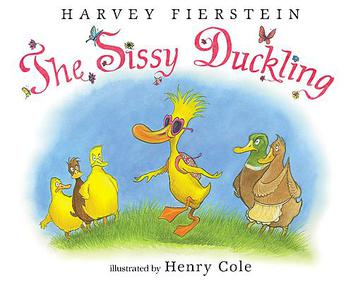
La Griffith Barracks Multi-denominational School è diventata uno dei primi istituti in Irlanda a dare ai bambini letture a sfondo omosessuale come ‘The Sissy Duckling’ e ‘King & King’ ed a coinvolgere gli allievi (in relazione alla loro età) a diverse discussioni sia sui diritti degli omosessuali che del rispetto dei diritti umani in generale.
Iniziativa che definirei lodevole nonostante la Chiesa Cattolica abbia avuto da ridire....ma credo non ci si potesse aspettare un comportamento diverso.
Se il nostro futuro sono davvero i bambini, magari qualche speranza che non tutto sarà da buttare, rimane ancora...

"We remain aware that a single module exploring homosexuality in Sixth Class, and a handful of story books scattered throughout the junior classes will not rectify the imbalance in addressing issues surrounding homosexuality and gay rights in the primary school, but it is a necessary first step towards fulfiling our obligation as educators"

A gay lesson for kids, Irish Independent (articolo integrale in lingua inglese)

Per chi fosse interessato alla lettura dell'articolo in lingua italiana, lo può trovare su eireannslan

The Sissy Duckling
King & King